Pages

Showing posts with label Agriculture. Show all posts

Friday, January 4, 2019

Water Soluble Fertilizer Market Product Estimates, Trend Analysis & Outlook by 2024

4 Jan 2019 - The global Water Soluble Fertilizer Market size was USD 12.5 billion in 2015 and is anticipated to reach USD 22.0 billion by 2024. Increasing demand from wide range of fustigation application coupled with increasing awareness and adoption of micro irrigation systems is anticipated to boost the global demand for water soluble fertilizers. Growing demand and need for superior yield owing to increasing world population, reduction in arable land, and great demand of biofuels is expected to impact the global demand for water soluble fertilizers. Harmful ecological impacts of over/high fertilization, including pollution of ground water, disturbances in environment life sciences, and increase in area under ocean dead zones are expected to restrict the market growth.

water soluble fertilizer market

Increasing awareness among farmers across emerging economies coupled with technology driven farm practices. High priced crops including vegetables and fruits are expected to drive the market demand. Growing protection of cultivated crops is estimated to attract growers around the globe since it offers good returns on investment. Large number of growers entered into the greenhouse system of agriculture production industry to achieve higher rates of return for their products. The use of these fertilizers is expected to be highly seasonal and improved, thus protected crop production is anticipated to drive the market demand for fertilizer products, particularly for water-soluble fertilizers. On the basis of fertilizer type, the global market has been segmented into Nitrogen, sulphur, iron, chlorine, magnesium, calcium, Phosphate, and potassium which include secondary and micro nutrients. Nitrogen is expected to be the widely used element in the market and is expected to continue its dominance owing to its easy availability and It is used to synthesize proteins, amino acids, enzymes, nucleic acids, and chlorophyll. Nitrogen nutrients can be further classified into Urea, ammonium sulphate, nitrate, and calcium nitrate.Phosphate is expected to witness significant growth rate over the next seven years It stimulates root formation and shoot growth at the early stages of plant growth.

Request Sample Copy of this Market Research @https://www.millioninsights.com/industry-reports/water-soluble-fertilizer-market/request-sample

lack of Phosphorus levels in plants may result in poor seed and fruit development and also reduces the growth of plants significantly. Phosphorus is particularly important and widely used in cool weather. Starter fertilizers constitute more of these nutrients in huge amounts. Potassium is expected to have moderate growth rate over the forecast period. This element helps the plants to resist diseases and boosts root growth. Potassium nutrients improve cold hardness and helps in increasing the size of fruits and vegetables. Signs of potassium lack or deficiency include slow growth, shriveled fruit, weak plants, and leaf burning at margins or tip

Browse Full Research Report @https://www.millioninsights.com/industry-reports/water-soluble-fertilizer-market

On the basis of application, water soluble fertilizer market has been segmented into fertigation and foliar. Fertigation is expected to be the largest segment in terms of revenue and market share owing to its wide applications among various crops. Fertigation processes involve injection of soil amendments, water-soluble products and fertilizers into an irrigation system. Foliar feeding is a method of nourishing plants by applying the liquid fertilizer to their leaves. Plants and crops are able to absorb essential nutrients through their leaves. This absorption is carried out through their stomata and also through their epidermis. On the basis of crop type, the market has been segmented into Field Crops, Horticultural Crops and Turf & Ornamentals. Field corps constitutes the largest segment in the global market owing to its wide applications across the globe. These crops are grown for agricultural purposes and are consumed by people. Growing population and demand for vegetables and fruits is expected to be the driving factor for the market growth in this segment.

North America is expected to the largest regional segment in the global market. Extensive use of bio fuels has increased the demand for fertilizers and is driving the growth in this region High consumption of meat and meat products has been driving the high use of fertilizers in North America as it increases the demand in animal feed and feed products. Increasing adoption rate of merchandize and micro irrigation processes in the Asia Pacific region, is expected to witness significant growth rate for water soluble fertilizers key players in the market are Yara International, The Mosaic Company, Agrium Inc., ICL Fertilizers, PotashCorp, CF Industries. Other industry participants include QAFCO, Haifa Chemicals, SinoFertK+S AG, Uralchem, and SQM. The water-soluble fertilizers market is expected to be highly fragmented with major players driving the growth through expansions, agreements, new product launches and acquisitions, to develop their position in the market. These strategies were followed by the industry participants to expand their global presence and enhance their product portfolio.

See More Reports of this Category by Million Insights @ https://www.millioninsights.com/industry/agriculture


Friday, December 28, 2018

Biochar Market Snapshot & Growth Prospect Mapping|2025

28 Dec 2018 - The global Biochar Market is anticipated to reach USD 3.14 billion by 2025, expanding at a CAGR of 13.1% during the forecast period. Biochar market is expected to experience a lucrative growth on account of rising demand from the agricultural sector in numerous countries including Australia, Germany, Canada and U.S. The products capability to improve plant growth and soil fertility is projected to be a major factor owing to rising demand for organic food and increasing the population. Biochar confiscation, in combination with sustainable biomass production, is expected to be carbon-negative and thus used to actively remove carbon dioxide from the environment, with key effects for adaptation of climate change.

Biochar Market

Rising significance of biochar in livestock farming as it offers essential nutrients is anticipated to impel growth over the upcoming years. Rising meat consumption is projected to play a major role in the expansion of the industry over the forecast period. Rising trend for organic farming in Europe and North America on account of extensive production is estimated to impel the growth over the upcoming years. Government initiatives for gasification projects on a large-scale are key factors that are projected to promote biochar market growth over the next eight years.

The dearth of consumer awareness about long-term benefits of biochar is expected to be a key challenge for market growth. Technological constraints and financial barriers are estimated to act as a restraint to industry growth over the next eight years. Rising demand for organic farming and organic food will open new opportunities for producers, thus stimulating the market growth. Pyrolysis technology is expected to witness rapid growth on account of high yield coupled with stability and high carbon content. Pyrolysis technology is expected to be the most efficient and effective ways of producing the superior quality product.

Request Sample Copy of this Market Research @https://www.millioninsights.com/industry-reports/biochar-market/request-sample

Gasification technology is expected to decline its demand over the upcoming years in light of not producing stable biochar which will be usable in agriculture for soil enhancement and soil amendment purposes. Applications of gasification technology include large biomass reactors for power and energy generation. Other technologies include hydrothermal carbonized, acid hydrolysis and cooking stove.

Browse Full Research Report @https://www.millioninsights.com/industry-reports/biochar-market

In 2014, agriculture was the largest application segment which accounted for more than 85% of the market share. Livestock farming which includes poultry farming, meat production and cattle farming add to a large extent to the overall consumption in agriculture. Other applications include waste treatment and water treatment services. Developing economies include India and China have experienced an increase in demand for water treatment facilities on account of rising need for growing hygiene awareness and improved water infrastructure.

North America was observed to be dominating the industry in 2015 with 162.8-kilo tons and is anticipated to show noteworthy growth in light of increasing trend for organic food and high consumption of meat followed by Europe with over 24% of the market volume. Europe and North America have experienced a noteworthy rise in the number of medium and small scale producers which is anticipated to play a key role in expanding the industry. Australia is estimated to experience a steady growth over the next eight years on account of increasing number of companies and increasing awareness about the product’s advantages and benefits.

Growing consumption of biochar in livestock farming in light of its capability to offer essential nutrients and maintain the health of livestock is expected to stimulate industry expansion in the region. Stringent government norms also account to support organic farming is expected to open new opportunities over the next eight years. The key market players operating in the industry include LLC, Biochar Supreme. Timber companies including West Fraser, Georgia-Pacific, and Weyerhaeuser supply wood pellets and wood residue to numerous biochar manufacturers. The industry, particularly in North America, has numerous small industrialists such as Cool Planet Energy Systems Inc., which are involved in the entire value chain from production stage to the selling stage. Companies such as Cool Planet Energy Systems Inc., Pacific Pyrolysis, 3R ENVIRO TECH Group and Phoenix Energy offer pyrolysis technology waste to energy solutions and produce the product.

See More Reports of this Category by Million Insights @ https://www.millioninsights.com/industry/agriculture

Thursday, December 6, 2018

Aquaculture Market Restraint Analysis, Product Estimates & Forecast by 2020

6 Dec 2018 - The global Aquaculture Market is expected to be valued at USD 202.96 billion by 2020. This may be primarily attributed to the growing seafood consumption paired with rising economic importance associated with fisheries. The proportion of aquaculture in the global fisheries industry has so far been small compared to captured fish, thus, considerable efforts are being made to enhance aquaculture activities worldwide. The aquaculture market is anticipated to surpass the capture fisheries market as the primary source for seafood consumption. Aquaculture is defined as the cultivation of fresh, marine and brackish water species such as oysters, fish, and shrimp under guided climatic conditions. It includes varied activities such as shrimp farming, oyster farming, and fish farming.

Aquaculture Market

The depleting volume of captured fish in the global reserves due to extensive fishing in the past two to three decades is considered as one of the major driving factors for industry growth. Growing consumer concerns associated with the consumption of fish and other fish products followed by a surge in consumption of fish is expected to spur product demand over the next few years. The enhanced practice of poly-culture systems such as fish and rice farming, designed to increase yield is envisaged to open new avenues for industry growth. Escalating demand for seafood owing to rising population coupled with increasing buyer purchasing power is anticipated to catapult growth. Growing belief of fish being a heart-healthy form of the protein is also expected to drive product demand significantly. Lack of technological development and adverse environmental conditions are anticipated to hamper growth. The market being pregnable to the unfavorable climatic condition has led to the outbreak of several diseases. Additionally, unsustainable development may damage the already stressed coastal areas. The aforementioned factors may hinder production and the overall industry growth over the next seven years.

Request Sample Copy of this Market Research @ https://www.millioninsights.com/industry-reports/aquaculture-market/request-sample

The industry can be segmented on the basis of culture environment and product. On the basis of culture environment, the market can be segmented into brackish water, fresh water and marine water. Based on product, the market can be segmented into sea bass, mackerel, milkfish, crustaceans, carps, sea bream, trout, salmon, mollusks, catfish, and turbot. Fresh water may emerge as the fastest growing culture environment segment. Factors such as simulation of the culture environment in enclosed areas including concrete raceways, cages and ponds are likely to contribute towards industry growth. Marine water is expected to witness significant growth owing to the increasing consumer demand for fishes breed in sea water.

Browse Full Research Report @ https://www.millioninsights.com/industry-reports/aquaculture-market

Carps are expected to emerge as the fastest growing fish species and may account for the largest share over the forecast period. Carps have the ability to breed in less than ideal environmental conditions which have significantly resulted it in being one of the majorly farmed aquatic species in this industry. Carps are also widely used in poly culture systems such as fish and rice farming which may further propel demand. Further, mollusks such as clams and mussels being an important food source are expected to witness substantial growth over the next few years. This may be primarily attributed to escalating demand for mollusks owing to increasing consumer awareness pertaining to the health benefits associated with the consumption of mollusks. The increasing use of mollusks in poly culture is intensified by the factor that its presence in water bodies and tanks helps in maintaining a good quality of water by filtering contaminants, sediments and nutrition.


The industry is also anticipated to witness significant demand for products including Crustacean, Salmon, Sea bass and sea bream. Crustacean is expected to witness high demand in nutritional seafood segment owing to its high protein content which appropriately satisfies the customers’ demand for nutritional seafood. Mackerel being rich in omega-3 fatty acids content is considered a significant sea food which is required for balanced metabolism. In addition, Salmon has a rich content of omega-3 fatty acids, vitamin D and protein and is considered a healthy food. Sea bream and Sea bass have a rich content of selenium, vitamin B6, magnesium and phosphorous and are thus preferred as a low-calorie diet.

China is expected to account for the largest market share in the global aquaculture market owing to induced conditions, easy availability of natural resources and cheap labor which are presumed to contribute significantly towards regional growth over the next few years. Asia Pacific region excluding China may grow at a healthy pace owing to technological innovations and perfect climatic condition. Notable companies in this industry include Cermaq ASA, Nireus Aquaculture S.A, Cooke Aquaculture Inc., Blue Ridge Aquaculture and Assal Group Ltd. Companies emphasize on developing innovative ways and strictly takes measures to protect stock fishes from diseases and death in order to increase profitability and market share.

See More Reports of this Category by Million Insights @ https://www.millioninsights.com/industry/agriculture
Thursday, November 29, 2018

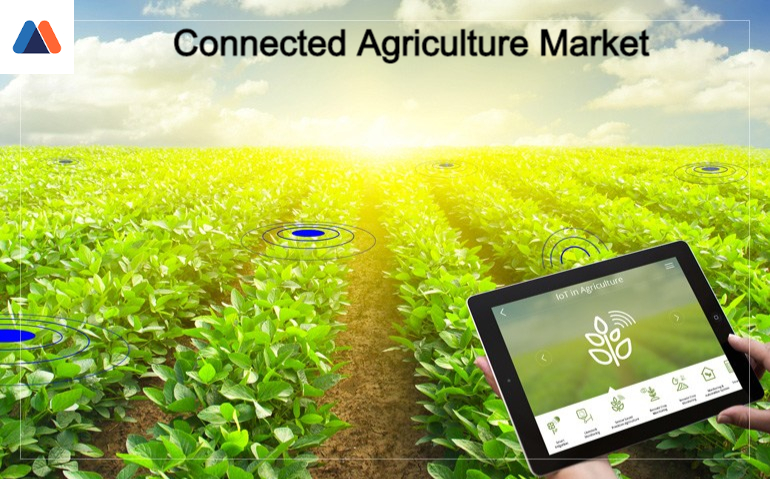
Connected Agriculture Market Segmentation And Growth Prospect Mapping|2025

29 Nov 2018 - Agri products and agri farming are in a development phase; thanks to county’s nation building exercise including government initiatives and spending in innovative farming techniques, procuring state-of -the art tools to indigenous farming methods. The factors assisting farming are a major expansion drive include fulfilling needs of increasing global population for food, seasonal climatic changes and asymmetry in weather forecast, and efficient water management to quell water wastage.

Connected Agriculture Market

Internet of things (IoT) has eased matters by coping with supply chain and productivity cycle to assuage excessive food production in compliance with market demands. Segmentation of connected agriculture market by component comprises solution, services, and platform. Segmentation by solution includes network management, agriculture asset management, SCADA systems for agriculture, logistics and supply chain management, smart water management system, and others. Connected agriculture market by Network management includes remote monitoring, network bandwidth management, analytics and network, and application security.

By platform, the segregation continues to device management, application enablement, and connectivity management. By application, it comprises farm planning and management and agriculture finance. Farm planning is later subject to field monitoring and management, weather forecasting, production planning and maintenance, and supply chain management. Fled monitoring and management comprises livestock management and equipment monitoring and maintenance. By agricultural finance, the connected agriculture market is divided into mobile payment system, micro-insurance system, micro-lending platforms, mobile information systems, and others. By region, the market belongs to North America, Europe, Asia Pacific, MEA, and Latin America.

Request Sample Copy of this Market Research @ https://www.millioninsights.com/industry-reports/connected-agriculture-market/request-sample

Smart water management systems are expected to grow at the highest CAGR in forecast period due to crop harvest requiring adequate supply of water; thereby making amends in water wastage, innovation in farming techniques, deployment of sensors, irrigation techniques - all depending on type of crop with water being channelized preventing water wastage reaping a rich haul of crops. Key target audience comprises connected agriculture software vendors, automation and control system providers, environment and regulatory authorities, system integrators, connectivity providers, managed service providers, cloud service providers, telecommunication service providers, agriculture associations, and agriculture automation providers.

Browse Full Research Report @ https://www.millioninsights.com/industry-reports/connected-agriculture-market

A news article dated Nov 2016 gives key insights to the role of mobile communication including voice and data networks. Connected agriculture enables financial solutions and segments a chain among food grain buyers, sellers, traders and giving off-the-cuff weather reports, incisive farming methods via internet. Mobiles have eased themselves into real time transactions involving agricultural tendering, agricultural bartering and agricultural trading. Key industry players include Trimble navigation Ltd, Link labs LLC, Vodafone PLC, Accenture PLC, IBM Corporation, SAP SE, and PTC Inc.

See More Reports of this Category by Million Insights @ https://www.millioninsights.com/industry/agriculture

Friday, November 23, 2018

Neem Extracts Market Snapshot & Rising Demand For Biofertilizers by 2020

23 Nov 2018 - The global Neem Extracts Market to reach around USD 1.32 billion by 2020. The rising demand for neem extracts can be attributed to the increasing end use scope of the product in pharmaceuticals, personal care, and agriculture. In addition, the increasing awareness regarding the benefits of the product is expected to boost demand during the forecast period. The backlash of synthetic products and environmental-friendly products are expected to drive the growth of this market.

Neem Extracts Market

India, Burma and Sri Lanka are major exporters of neem extracts. Countries such as the U.S., the UK, and Australia are also witnessing significant growth in neem cultivation owing to the increasing demand from the several end-use verticals. The stringent regulations, particularly in the UK, the U.S., Italy, and Spain, are encouraging the cultivation of fruits and vegetables organically, which has promoted the use of neem extracts in fertilizers and pesticides.
The product is widely being used in pharmaceutical drugs, owing to its superior benefits such as reduction in blood clotting, controlling of blood pressure & cholesterol, and improved digestion. The rapid growth of the pharmaceuticals industry is therefore anticipated to boost the product demand during the forecast period. The major challenge this industry faces is the high cost of neem extracts and the demand & supply gap, which can restrict the growth of this industry over the coming years.
Neem and its extracts are widely used in the cosmetics industry owing to their properties of ‘zero side effects’. The use of the product in skin care commodities such as body lotions, fairness creams, and hand wash will further augment the product demand during the forecast period.

Request Sample Copy of this Market Research @ https://www.millioninsights.com/industry-reports/neem-extracts-market/request-sample

Major FMCG and cosmetics companies, such as Himalaya, Garnier, and Hindustan Unilever, are developing new neem-based products to leverage the growing consumer demand and thereby strengthen their positions in the overall industry.

Browse Full Research Report @ https://www.millioninsights.com/industry-reports/neem-extracts-market

Application Insights

The industry is expected to observe significant growth during the forecast period, primarily driven by growing applications of the product in bio-fertilizers and bio-pesticides. The pesticide-like characteristics of the product are largely attributable to Azadirachtin, which can protect the crops from over 200 different species of pests. The demand for the product in this end-use vertical is anticipated to grow owing to the stringent laws against the use of chemical fertilizers and pesticides.
The personal care products segment is expected to be the key driver during the forecast period. The rising consumer awareness regarding the benefits of neem extracts and its zero side effects is expected to augment the growth of this market.
The rising demand for neem extracts from pharmaceutical companies, owing to their anti-inflammatory, anti-microbial, and anti-oxidant properties, is expected to further boost the product demand during the forecast period.

Regional Insights

The Asia Pacific is the largest market for neem extracts owing to the favorable climate for cultivation, particularly in China, India, and Sri Lanka. These countries are also majorly focused on agriculture, making them potential markets for expansion.
North America and Europe are expected to witness sluggish growth owing to the lack of availability of raw materials and the resultant high pricing. This has created a demand-supply gap in these markets and will restrain the growth of the industry in the regions over the coming years.
However, the growing focus on the cultivation of fruits and vegetables through organic means is anticipated to boost the demand in Europe and North America during the forecast period. In addition, the increasing demand for natural cosmetics from European and North American countries is expected to boost the demand for the product in this region.

Competitive Insights

The increasing penetration of small players in the market has fragmented the market considerably, in recent years. The availability of raw material and low cost of labor has attracted manufacturers to view Asia-Pacific, particularly India and China, as the manufacturing hub of the product. The key participants of this industry are Trifolio-M GmbH, Agro Extracts Limited, Ozone Biotech, Nikita Agro Industries, PJ Margo, Fortune Biotech, Parker Biotech and Trifolio-M GmbH, and E.I.D. Parry.
Most players in this industry have adopted strategies such as new product developments and R&D to identify pharmaceutical benefits to cure diseases such as cancer, and capacity expansion in order to acquire a competitive edge over their competitors in terms of production outputs.

Market Segments

Application Outlook (Revenue, USD Million, 2013 - 2020)
  • Pharmaceuticals
  • Personal care
  • Biofertilizers
  • Animal feed
  • Others
Regional Outlook (Revenue, USD Million, 2013 - 2020)
  • North America
  • Europe
  • Latin America
  • Asia Pacific
  • MEA
See More Reports of this Category by Million Insights @ https://www.millioninsights.com/industry/agriculture

Thursday, October 25, 2018

Plant Growth Regulators Market Raw material & Technological overview 2020

25 Oct 2018 - Global Plant Growth Regulators Market is anticipated to reach USD 6.52 billion by 2020. The market is anticipated to grow at a healthy rate in the years to come. Plant growth regulators require a wide-ranging acceptance in the alteration of plant physiology that comprises inhibiting or stimulating enzyme systems and regulating the plant metabolism. Plant growth regulators also seek healthy demand for the regulation of cotton metabolism.
Plant Growth Regulators Market
On the other hand, there are also factors that may hamper the growth of the market such as less innovation regarding products, and low productivity of PGR as compared to chemical fertilizers. The plant growth regulators market is anticipated to grow at a significant CAGR of 8.6% in the upcoming period as the scope, product types, and its applications are increasing across the globe. Plant growth regulators industry may be explored by type, crop type, functions, formulations, origin, and geography. The market may be explored by type as Auxins, Cytokinin’s, Gibberellins, and Ethylene. The “Cytokinin’s” segment dominated the market in 2016 and is anticipated to maintain its dominance by 2020.
Cytokinin’s are plant hormones that controlseveral features of plant development such as cell division & differentiation, shoot & root development, fruit & seed development, and delay of senescence. They delay the natural aging process that leads to death in plants. Furthermore, it is mainly used to fix the injured part of a plant will upsurge the growth of market.
Plant growth regulators market may be explored by crop type as Cereals & Grains, Fruits & Vegetables, Turf & Ornamentals, and Oilseeds & Pulses. The industry may be explored by Function as Plant Growth Inhibitors, and Plant Growth Promoters. The “Plant Growth Promoters” held the highest share of the plant growth regulators industry in 2016 and are anticipated to maintain their dominance by 2020.
Request Sample Copy of this Market Research @                            https://www.millioninsights.com/industry-reports/plant-growth-regulators-market/request-sample
The most dominant plant growth promoters comprise cytokinin’s, auxins, and gibberellins. They help in development during root initiation, flowering, overall rise in yield and fruiting of the plant. The plant growth promoters are mostly used in several fruit and vegetables to enhance flowering.
Browse Full Research Report @                                                        https://www.millioninsights.com/industry-reports/plant-growth-regulators-market
Plant growth regulators industry may be explored by formulations as Solutions, Water-dispersible & water-soluble granules, and Wettable Powders. The “water-dispersible & water-soluble granules” segment is anticipated to record the highest share in the forecast period. The market may be explored by origin as Biological, and Synthetic. North America accounted for the major share of the plant growth regulators market size in 2016 and will continue to lead in the forecast period due to factors such as government assistance for organic farming, rise in crop productivity, and rapid technical advancements.
Some of the key players that fuel the growth of the plant growth regulators industry include DuPont, BASF SE,NuFarm Ltd., Bayer Crop Science Crop Care Australasia Pty. Ltd, Sichuan Guoguang Agrochemical Co. Ltd,Xinyi(H.K.) Industrial Co. Ltd, and Redox Industries Limited. The leading companies are taking up partnerships, mergers and acquisitions, and joint ventures in order to boost the inorganic growth of the industry.
See More Reports of this Category by Million Insights @ https://www.millioninsights.com/industry/agriculture

Tuesday, October 9, 2018

Seed Treatment Market|Information Procurement And Analysis by 2020

9 Oct 2018 - Global Seed Treatment Market is anticipated to reach USD 5.61 billion by 2020. It is anticipated to grow at a healthy rate in the years to come. Seed treatment is a procedure of applying physical, chemical, and biological agents during plantation to enhance the health of crop. It also supports in the formation of healthy crops. The technique is mainly used to improve germination, controlling soil insects, prevent spread of plant diseases, and provides protection from storage insects. It helps to exercise control over seed and soil-borne diseases and infection.

Seed Treatment Market
The seed treatment has come across as a profitable crop safety solution as compared to conventional spraying as it requires less labor and is more efficient. Growing necessity of food because of rapidly growing worldwide populace has driven the market development in the years to come. On the other hand, factors that hamper the seed treatment industry include strict government regulations, existing ban on neonicotinoids, and lower margins of key industrial crops. There are various other factors hindering the growth of market such as lower margins of key industrial crops, government regulations, and existing ban on neonicotinoids. The market is anticipated to grow at a significant CAGR of 9.6% in the upcoming period as the scope, product types, and its applications are increasing across the globe.

Seed treatment market may be explored by type, crop, and geography. Seed treatment industry may be explored by type as Insecticides, Nonchemical, Fungicides, and the other chemical treatment. Insecticides dominated the market; accounting for 52.6% of the total revenue in 2013. Seed treatment market may be explored by crop type as Soybean, Corn/Maize, Wheat, Cotton, Canola, and Other. “Corn/Maize” segment is anticipated to dominate the seed treatment industry in 2014, due to growing demand for corn production for biofuels. “Corn/Maize” segment is followed by Soybean due to rising demand for biofuels on the heels of energy conservation.

Request Sample Copy of this Market Research @                                                   https://www.millioninsights.com/industry-reports/seed-treatment-market/request-sample

North America accounted for the major share of the Seed Treatment Market Size Analysis in 2014 and will continue to lead in the forecast period due to factors such as increasing demand from the agriculture industry, growing demand for organic food products will upsurge the North American region and is followed by the Europe and Asia-Pacific region due to increasing awareness among people.

Some of the key players that fuel the growth of the seed treatment industry include BASF; Bayer; Monsanto; Germains Seed Technology; Syngenta; CropScience; DuPont; Chemtura; Nufarm; Plant Health Care; Becker Underwood; Wolf Trax Incorporation; Sumitomo Chemical Company Limited; Valent U.S.A. Corporation; Morflora; Novozymes A/S; Incotec Group BV; Ceres Inc.; Advanced Biological Marketing; Cibus Global; ASTEC Global; BrettYoung Limited; and Precision Laboratories Incorporation. The leading companies are taking up partnerships, mergers and acquisitions, and joint ventures in order to boost the inorganic growth of the industry.

Browse Full Research Report @                                                            https://www.millioninsights.com/industry-reports/seed-treatment-market

Market Segment:

Seed Treatment Type Outlook (Revenue, USD Million, 2012 - 2020)
  • Insecticides
  • Fungicides
  • Other chemical treatment
  • Nonchemical
Seed Treatment Crop Type Outlook (Revenue, USD Million, 2012 - 2020)
  • Corn/Maize
  • Soybean
  • Wheat
  • Canola
  • Cotton
  • Other
See More Reports of this Category by Million Insights @ https://www.millioninsights.com/industry/agriculture
Monday, September 24, 2018

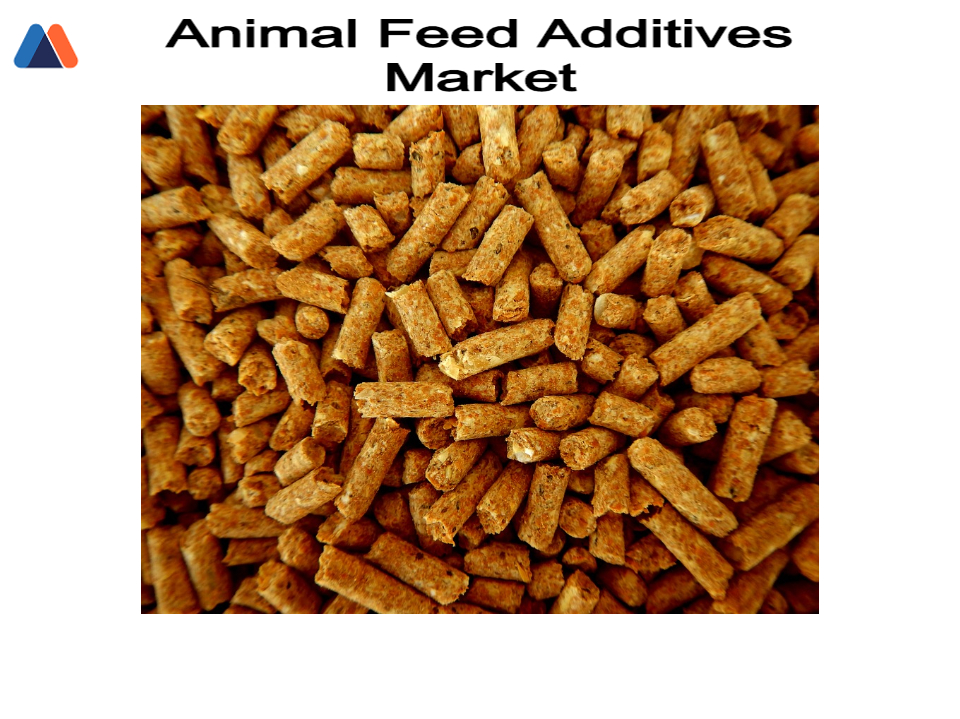
Animal Feed Additives Market Segmentation and Growth Prospects, 2014 - 2025

24 Sep 2018 - The Global Animal Feed Additives Market demand was over 256 kilo tons in 2015. The key driver for increasing market penetration was due to rapid and fast consuming meat and other products processed from milk which is considered as one of the leading sources of protein and essential nutrients.

Animal Feed Additives Market
Feed additives are the key components for the rapid improvement of metabolism in the livestock. These constituents act as a catalyst by providing advantages such as improving weight gain, prevention of diseases, digestion, vitamin intake as well as enhances the quality of meat.
Due to these specialty additional features to the finished product, the industry is estimated to witness tremendous growth for the addition of additives in the feed over the near future. Another major factor affecting the market growth include the outbreak of numerous diseases affecting livestock like swine flu, mouth infection, and bird flu has increased the importance for safety and quality of meat and meat products.

Product Insights

Amino acids such as methionine, lysine, thiamine and tryptophan have been slated as dominant product category and contributes to around 30% of total revenue generated in 2015. The main reasons for this are increasing meat consumption especially in Asia Pacific and Middle East which is expected to result for the significant increase in amino acids demand over the forecast period.
Lysine is a key amino acid additive which is essential for growth of animals especially for swine and poultry. Antibiotics emerged as the second largest product segment which accounts for around 26% of the total volume in 2015.

Request Sample Copy of this Market Research @
https://www.millioninsights.com/industry-reports/animal-feed-additives-market/request-sample

Major benefit from antibiotics is that it helps in healthy growth of livestock which is anticipated to be the key factor driving its demand globally.

Livestock Insight

A paradigm shift has been observed globally for feed additives owing to increasing awareness for its importance in feed among consumers. The poultry segment accounted for around 35% of the total feed additives demand in 2015.

Cattle category accounted for approximately 29% of the total market value in 2015. Improving feed quality along with enhanced cattle metabolism owing to the addition of these specialty additives has resulted in better dairy products yields and meat quality.

Regional insight

Asia Pacific accounted for approximately 30% of the global animal feed additives market. Countries such as China, Indonesia, and India have been facing strong growth in their respective economy owing to increasing standard of living and population explosion have increased the demand for meat products. China is the leading consumer and manufacturer of meat globally. Increasing urbanization rate and disposable income leading to change in lifestyle are anticipated to be some major factors for the increasing consumption of meat in the country.

Browse Full Research Report @                           
https://www.millioninsights.com/industry-reports/animal-feed-additives-market

North America accounted for over 25% of total demand in 2015. North America is the fastest growing segment for meat production and consumption. Countries such as Mexico and the U.S. have collaborated to standardized quality of meat products, which is expected to fuel feed additives demand in the region.

Competitive Insights

The feed additives industry is highly fragmented in nature. Some of the major industry participants include Novozymes, DSM, Danisco (DuPont), BASF, Evonik, Cargill, and Kemin. The wide range of customized product offerings and development of new applications for feed additives are expected to be some of the major trends in the industry.

See More Reports of this Category by Million Insights @ https://www.millioninsights.com/industry/agriculture